
Client story · Energy
Port of Aalborg: From manual metering to automated energy insights
Wirtek integrated its Tenant Consumption Management platform with Port of Aalborg's complex multi-tenant infrastructure — replacing manual meter routines with automated data, EED-aligned reporting and real-time tenant-level transparency.
Outcomes
- Several days of manual labour eliminated each month
- Reduced heating settlement costs through optimised cooling
- EED, ESG and Danish Metering Regulation compliance from a single platform
- Real-time tenant-level consumption transparency
Overview
Selected through a public tender — integration of Wirtek’s established IoT/Energy and Building Analytics platform, known as Tenant Consumption Management (TCM).
- Client: Port of Aalborg
- Contact: Dennis Bossen, Senior Specialist, Energy and Environmental Technology
- Period: 2023 — present; ongoing development
From manual routines to flexible energy and building analysis
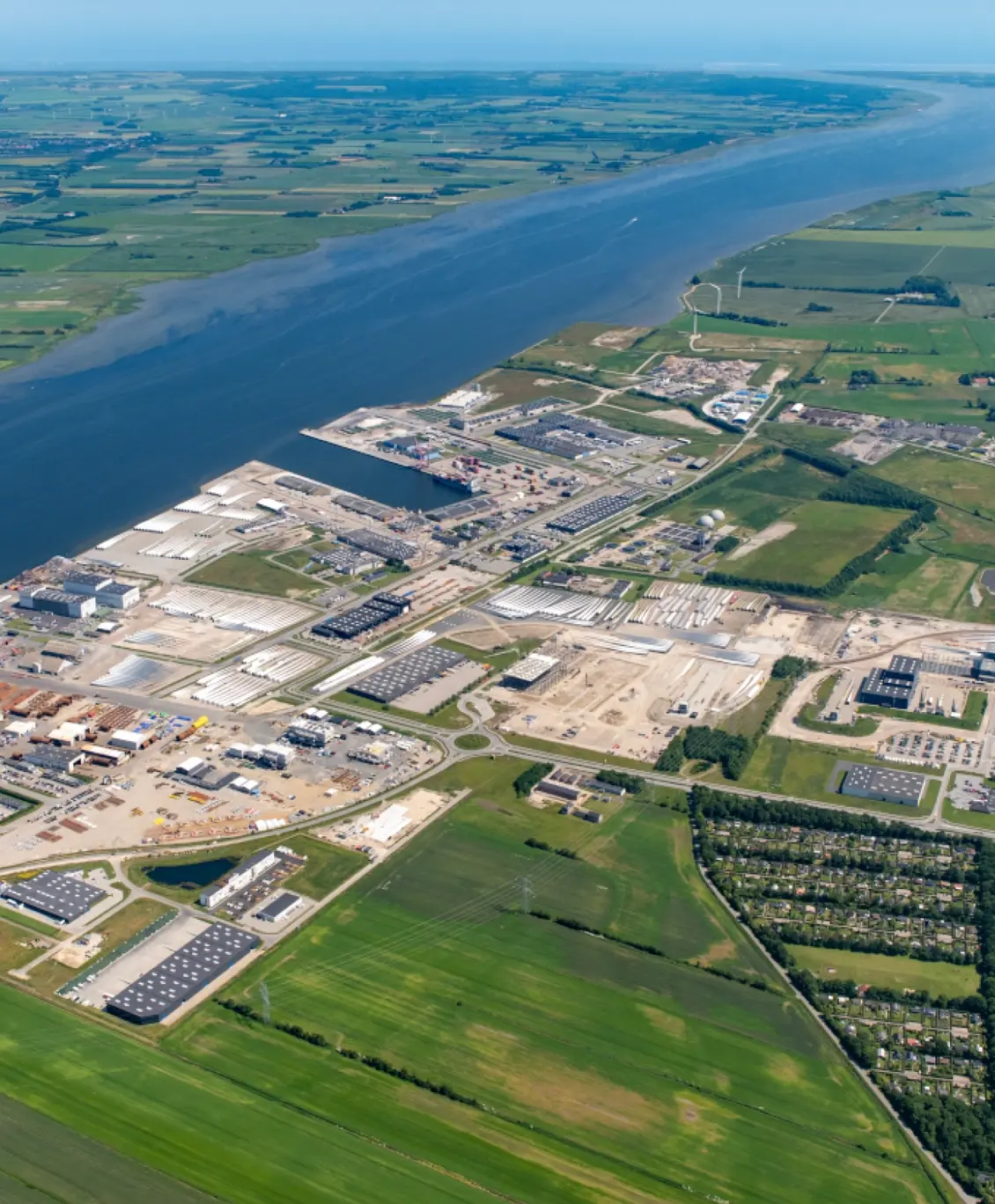
Port of Aalborg is a major commercial port and growth hub in Northern Jutland, hosting around 100 tenants ranging from offices to warehouses and large cold-storage facilities.
In 2023, Port of Aalborg set out to modernise its energy data management through a public tender. The objective was clear: a flexible, scalable solution that meets both current needs and future ambitions — without locking the organisation to a single vendor.
Wirtek was selected for offering a proven IoT/Energy and Building Analytics platform capable of collecting data from multiple sources (meters, sensors, APIs) and of monitoring, automating and distributing data to other systems. The task was therefore not to develop from scratch but to adapt and integrate mature technology into a complex port infrastructure.
The challenge
The port’s structure and historical development have created a complex infrastructure — from buildings and meter setups to data collection and utility systems. The diversity in installation age, location and technical configuration made it difficult to consolidate and analyse energy data without a unified digital platform.
Many meters were located in hard-to-access areas — mounted on masts, in ceilings, and other impractical spots. At the same time, EU directives and Danish regulations required remote meter reading and access to consumption data. Two main challenges stood out:
- Reducing manual work and errors.
- Creating transparency for tenants and establishing a solid data foundation for energy optimisation.
“We spent a huge amount of time on manual routines. Our systems were outdated and overly complex. It was unsustainable — both economically and operationally.” — Dennis Bossen
The solution
Wirtek integrated its established IoT/Energy and Building Analytics platform with Port of Aalborg’s existing infrastructure. The solution included virtual measuring points in buildings where physical separation was not possible, and integration with Aalborg Forsyning (the local utility) to enable precise measurement of heat cooling.
Operations and administration gained access to dashboards providing an overall overview, while tenants could log in to view their own consumption data.
“We didn’t want a closed system, but a proven platform we could continue building on. With Wirtek, we got exactly that — a solution that addresses our current needs and opens the door to new opportunities.” — Dennis Bossen
Results
Soon after implementation, the benefits became clear. Several days of manual work were eliminated each month, and a strong data foundation for optimising district heating cooling was established.
Excel sheets were replaced by a platform delivering uniform and automated data extraction, capable of monitoring and controlling meters and sensors across the port from a central location. This enables Port of Aalborg to comply with both the Danish Metering Regulation and the European Energy Efficiency Directive (EED).
The future
Port of Aalborg does not view the project as completed but as the first step on a longer digitalisation journey. The ambition is to continuously connect new sensors and data sources — from ventilation and indoor climate to environmental monitoring in the fjord — making the port increasingly data-driven and capable of supporting CO₂ accounting, energy-efficient operations and the green transition.
“We've moved from gut feeling to facts. Today we can react to issues in real time and engage with tenants based on solid data. For us, this isn't a project with an end date — it's a partnership.”